A living archive
The Hacker Culture Museum
Hacker culture is not a timeline. It is a collection of objects, manifestos, and machines that taught a generation how to think. Walk the halls.
Enter the collectionWhat is hacker culture?
Hacker culture is the set of values and practices that grew up around treating technology as something to be understood, shared, and improved: curiosity, openness, mistrust of arbitrary authority, and the belief that you should be able to open the things you own. It began at MIT in the late 1950s and spread through phone phreaking, the personal computer, free software, and the cypherpunks. This museum tells that story through the objects that made it.
Frequently asked questions
- What is hacker culture?
- Hacker culture is a way of treating systems as things to be understood, shared, and improved. Its core values, named the hacker ethic, are curiosity, free information, mistrust of authority, and judging people by their skill rather than their credentials. It is not the same thing as computer crime.
- Where did hacker culture come from?
- It began at MIT in the late 1950s and 1960s, then spread through phone phreaking, the personal-computer revolution, the free-software movement, and the cypherpunks. Our world map and timeline trace exactly where and when each scene appeared.
- Is a hacker the same as a criminal?
- No. In the original sense a hacker is someone who explores and bends systems, not a thief. The security world coined the terms white hat, black hat, and grey hat precisely because the press had collapsed the word hacker into criminal.
- Is hacker culture still alive?
- Yes, though it no longer looks like the 1980s. The instinct now lives in open source, bug bounties, capture-the-flag competitions, the maker movement, and privacy tools like Signal.
The Collection
Each exhibit is a single artifact, and the world it changed.
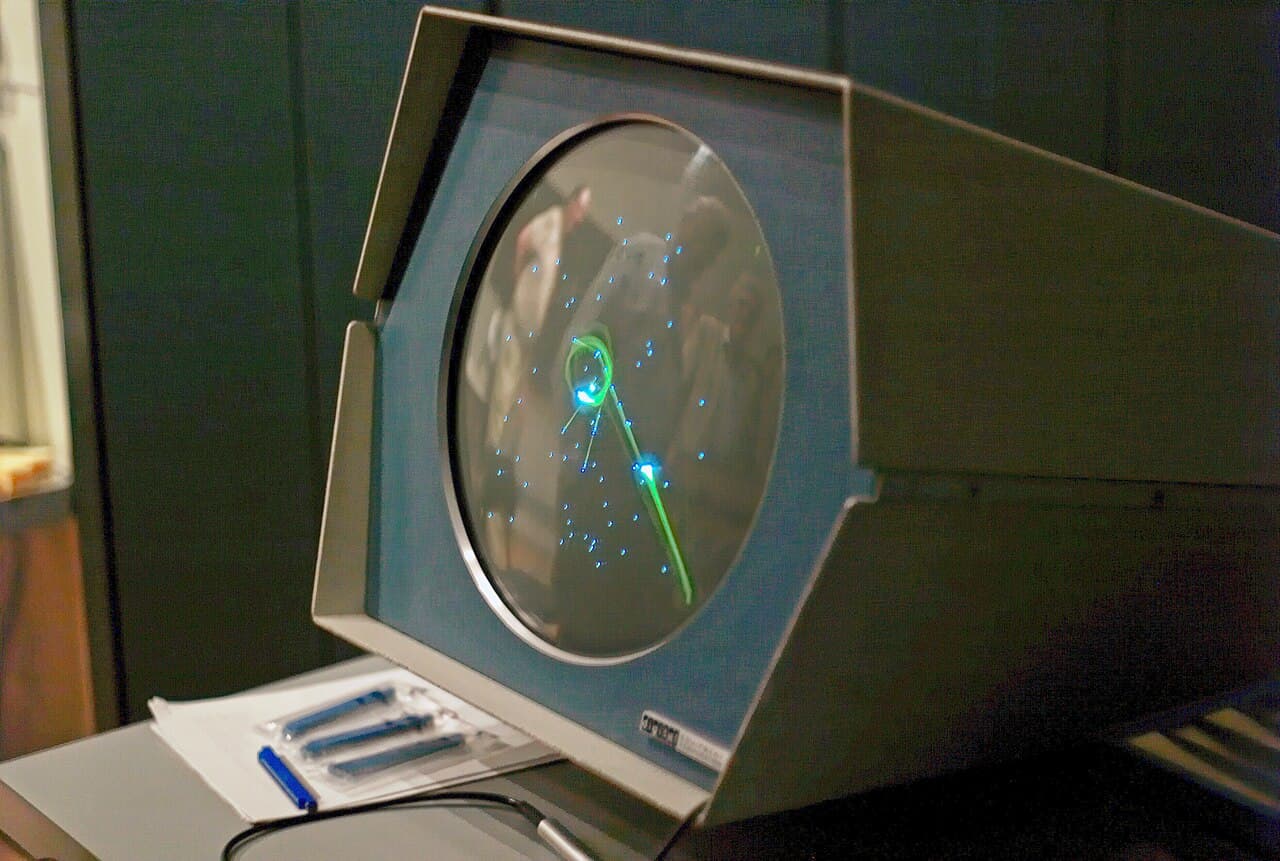
Spacewar!
The first widely shared digital video game, written for fun on a $120,000 machine that was never meant to play.
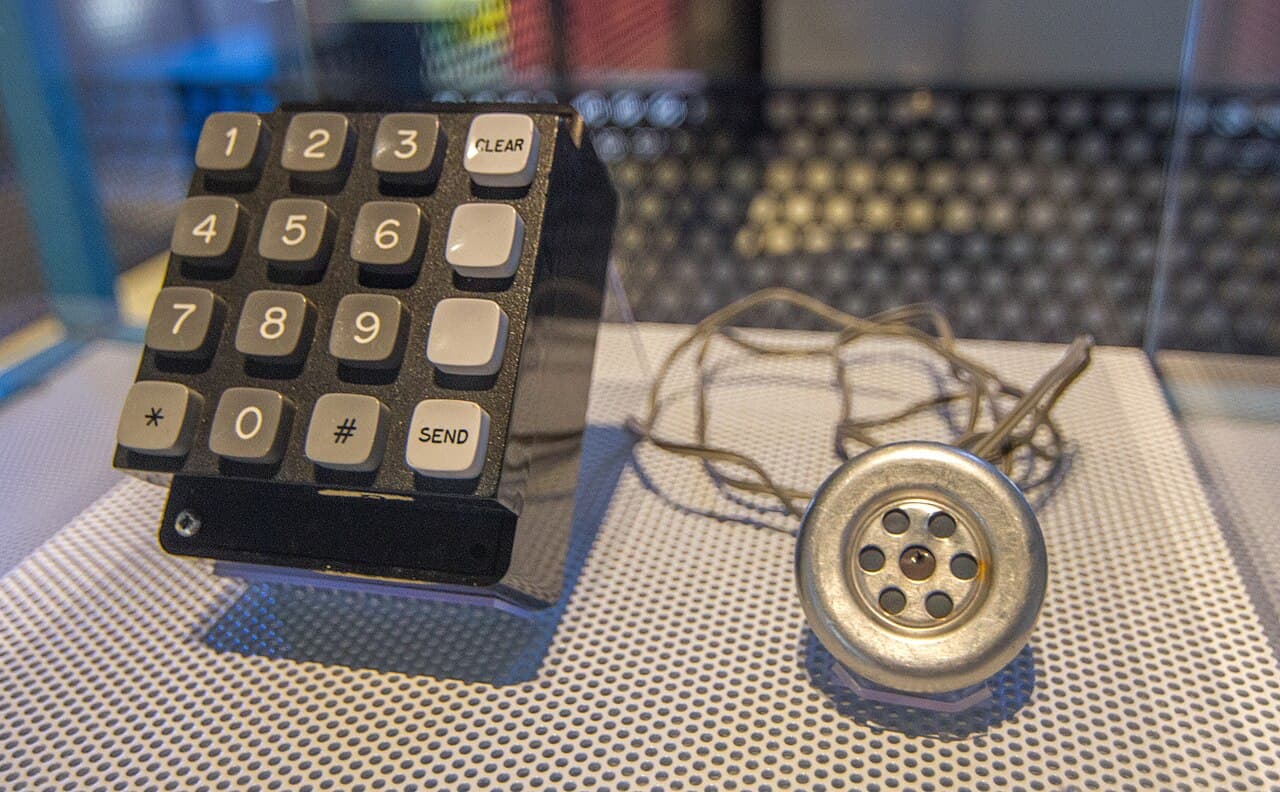
The Blue Box
A pocket-sized tone generator that turned the global telephone network into a hacker's playground.
The Jargon File
A collaboratively edited dictionary of hacker slang that turned a subculture into a self-aware tradition.
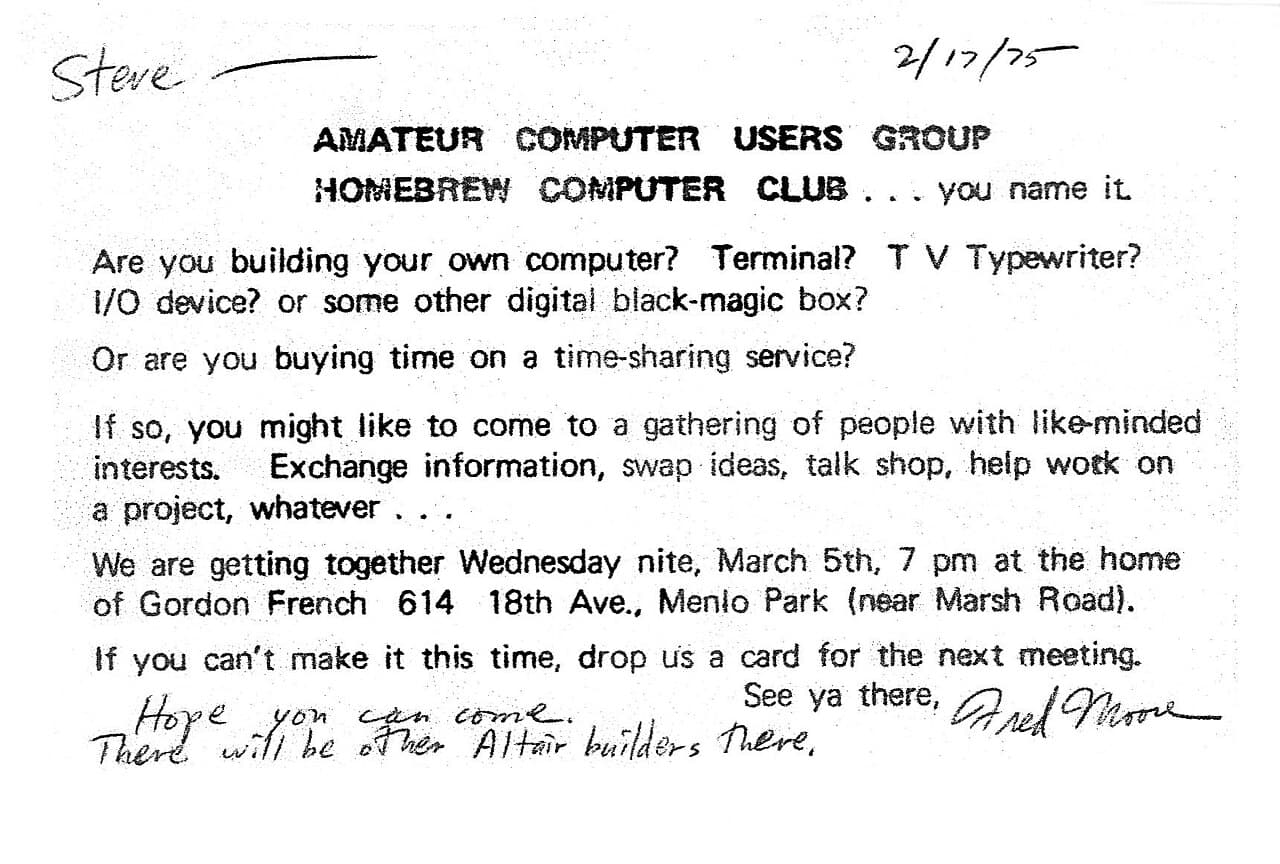
The Homebrew Computer Club Newsletter
A photocopied bulletin that turned hobbyists into an industry and made personal computing a shared project.
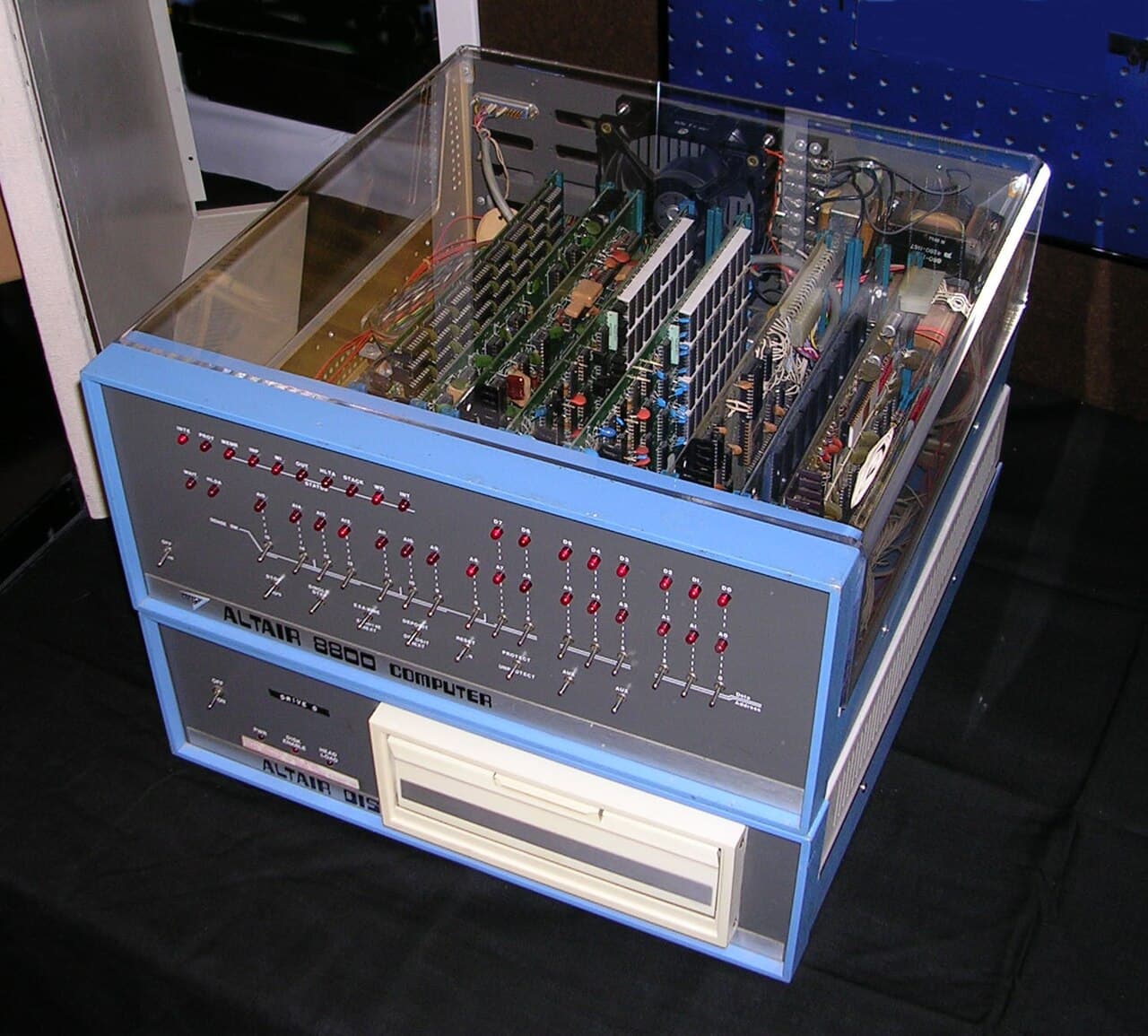
The Altair 8800
A mail-order metal box with switches and blinking lights that convinced thousands they could own a computer.
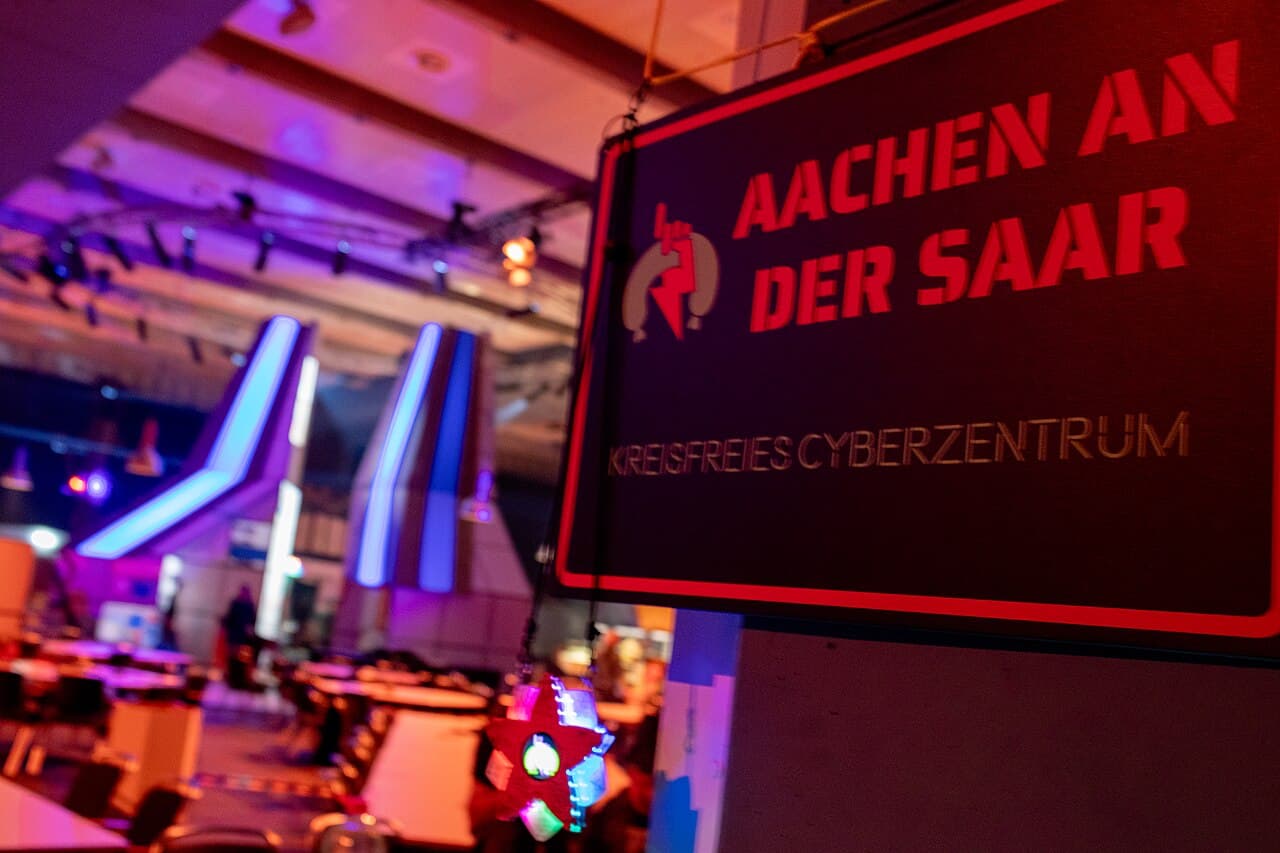
The Chaos Computer Club
A German hacker club that turned tinkering into citizenship and rewrote the hacker ethic in plain political language.
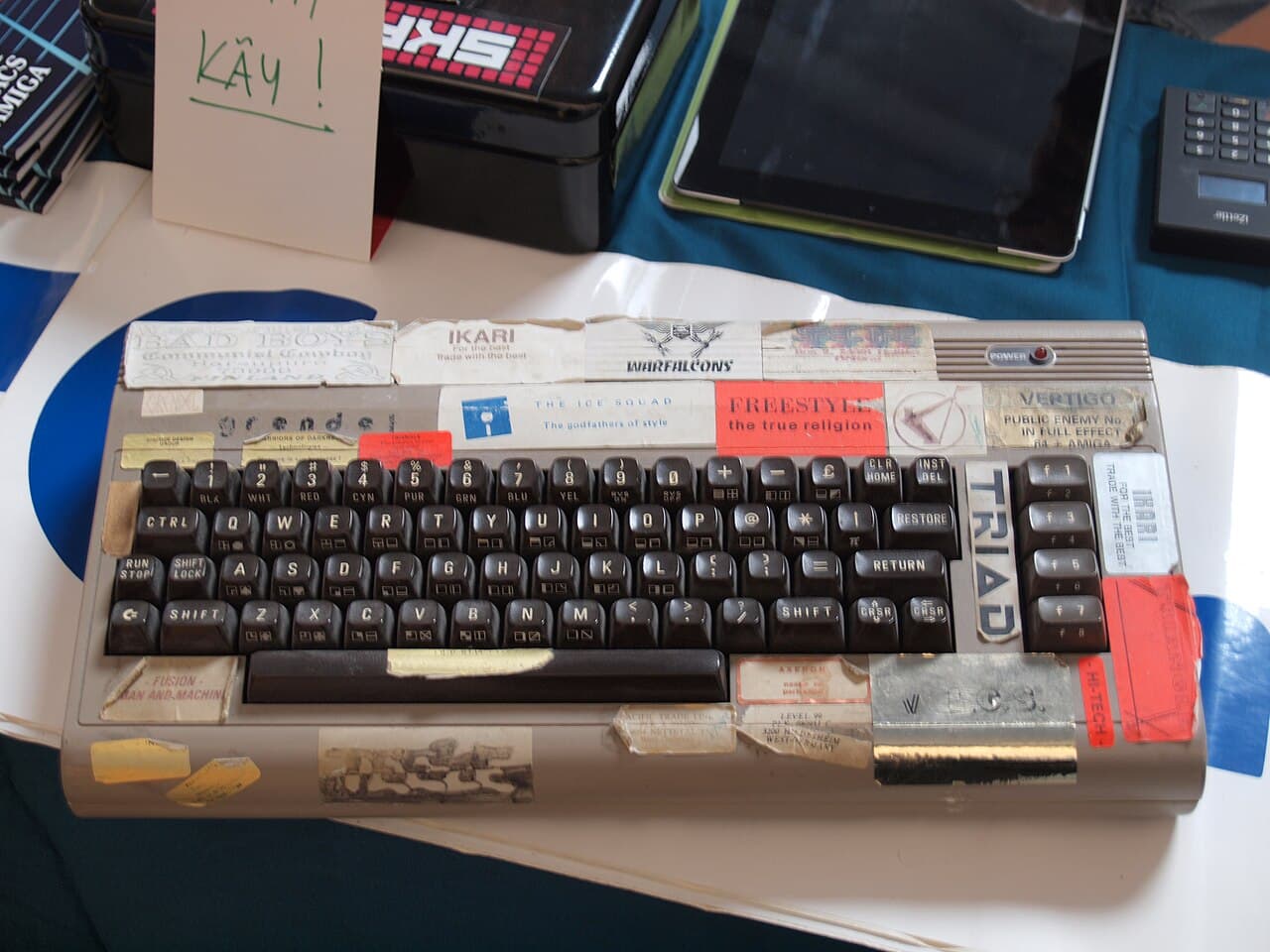
The Demoscene
European crackers who started signing their work and accidentally invented a digital-art tradition that is still running.
WarGames
The film that taught the public what a hacker was: a curious teenager, a modem, and a computer that could not tell a game from the end of the world.
The 414s
A group of Milwaukee teenagers with modems who broke into national laboratories and hospitals, and accidentally wrote the first computer-crime law.
2600, The Hacker Quarterly
A print magazine named after a whistle's frequency that gave the underground a public address.

Hackers: Heroes of the Computer Revolution
The book that gave a scattered subculture its name, its history, and a creed it could finally point to.
Phrack Magazine
An underground e-zine that gave the hacker underground its own press, plus a leaked phone-company document that put it on trial.

The GNU Manifesto
Richard Stallman's declaration that software should be free, and the legal hack that made it stick.
The WELL
A dial-up conversation in Sausalito that proved strangers on a network could become a real community, and quarrel like one.

The Cuckoo's Egg
A 75-cent accounting error that uncovered Cold-War espionage and invented modern incident response.
The Conscience of a Hacker
An essay written after an arrest that gave the digital underground its voice and its self-image.
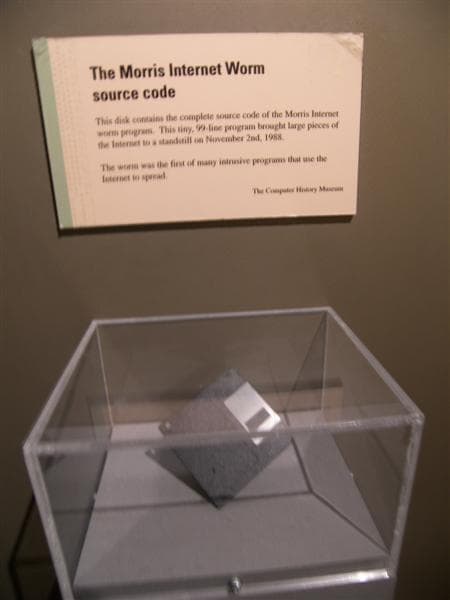
The Morris Worm
A 99-line program that crippled the early internet and forced a culture to confront its own consequences.
The Founding of the EFF
When the law came for hackers, a foundation was created to argue that the Constitution reaches into cyberspace.

Just a Hobby: The Linux Announcement
A modest Usenet post by a Finnish student that became the kernel running most of the world.

PGP
Strong encryption for everyone, released into the world as an act of civil disobedience.
The Cypherpunks Mailing List
A San Francisco mailing list where strangers argued cryptography into politics, and shipped most of what followed.
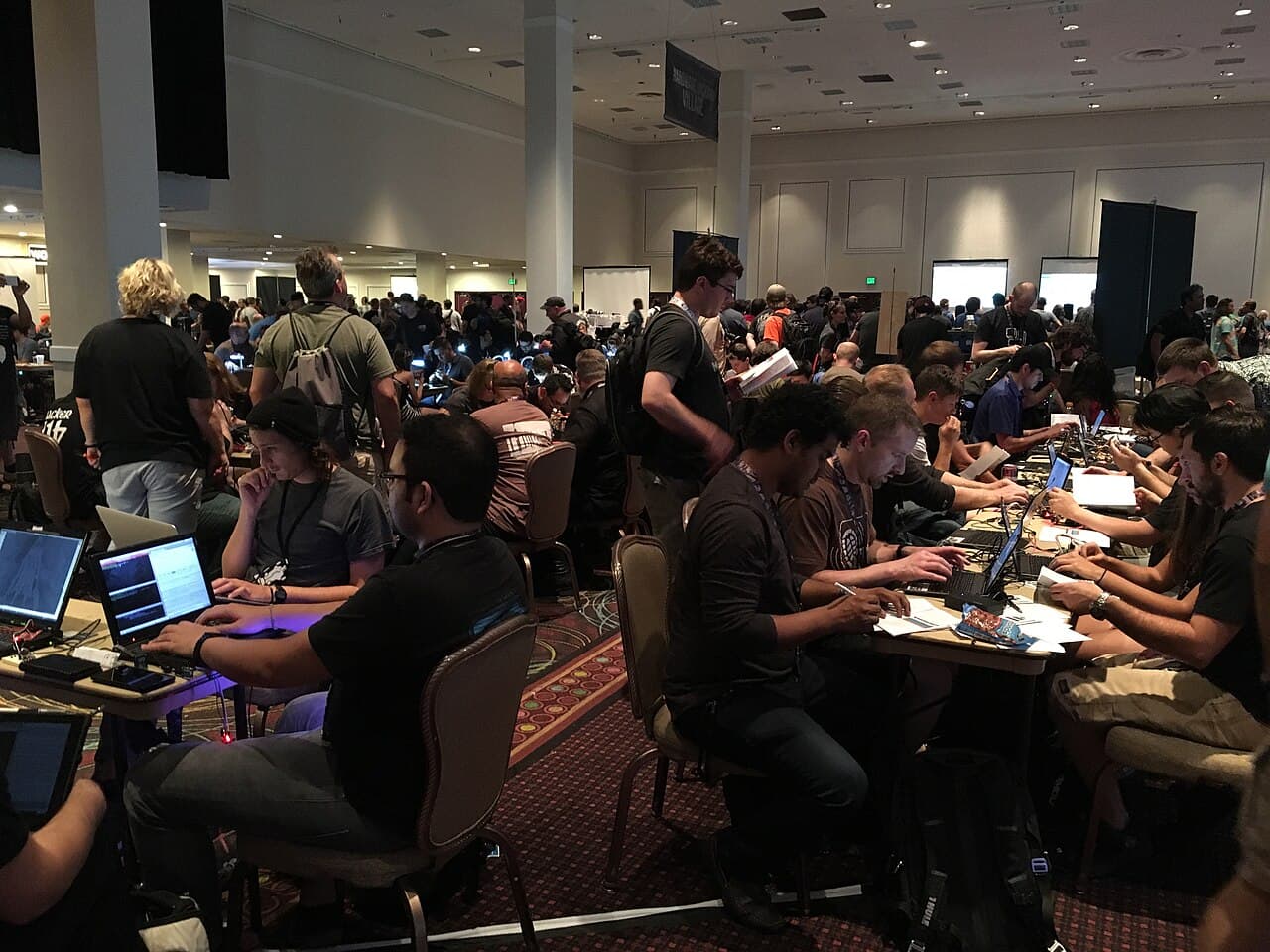
DEF CON
A goodbye party in Las Vegas that became the largest hacker gathering on earth, where the underground learned to meet in daylight.

The Cathedral and the Bazaar
The essay that explained why a pile of volunteers could out-build a corporation, and gave the open-source movement its founding argument.
Tor
Onion routing released to the public, with anonymity rebuilt as a network anyone could join.

The Bitcoin Whitepaper
Nine pages, posted to a mailing list by a person who did not exist, that proposed money no government or bank could control.

The Guerilla Open Access Manifesto
A short, furious call to liberate the world's locked-up knowledge, and the life that was spent making the argument.
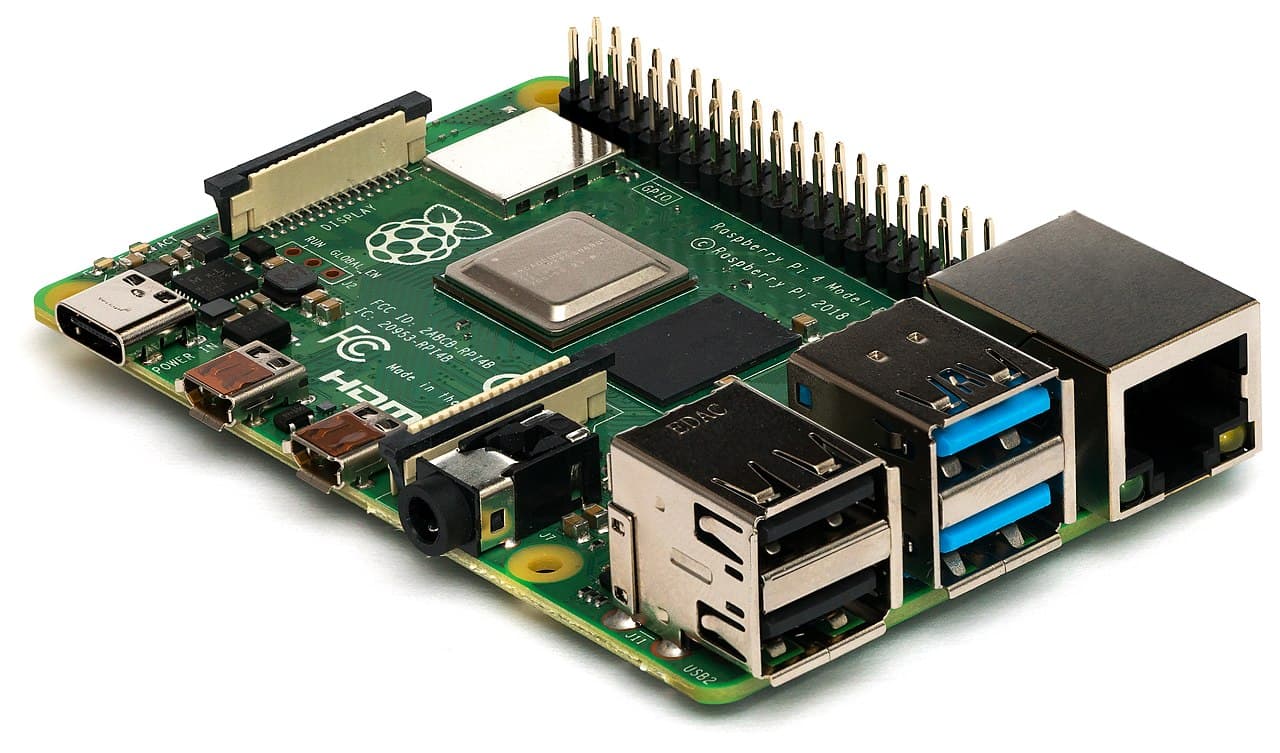
The Raspberry Pi
A thirty-five-dollar computer the size of a credit card, built to put tinkering back into the hands of children.

Signal
The app that put the cypherpunks' dream, unbreakable encryption for everyone, into a billion pockets, for free.