The Guerilla Open Access Manifesto
A short, furious call to liberate the world's locked-up knowledge, and the life that was spent making the argument.
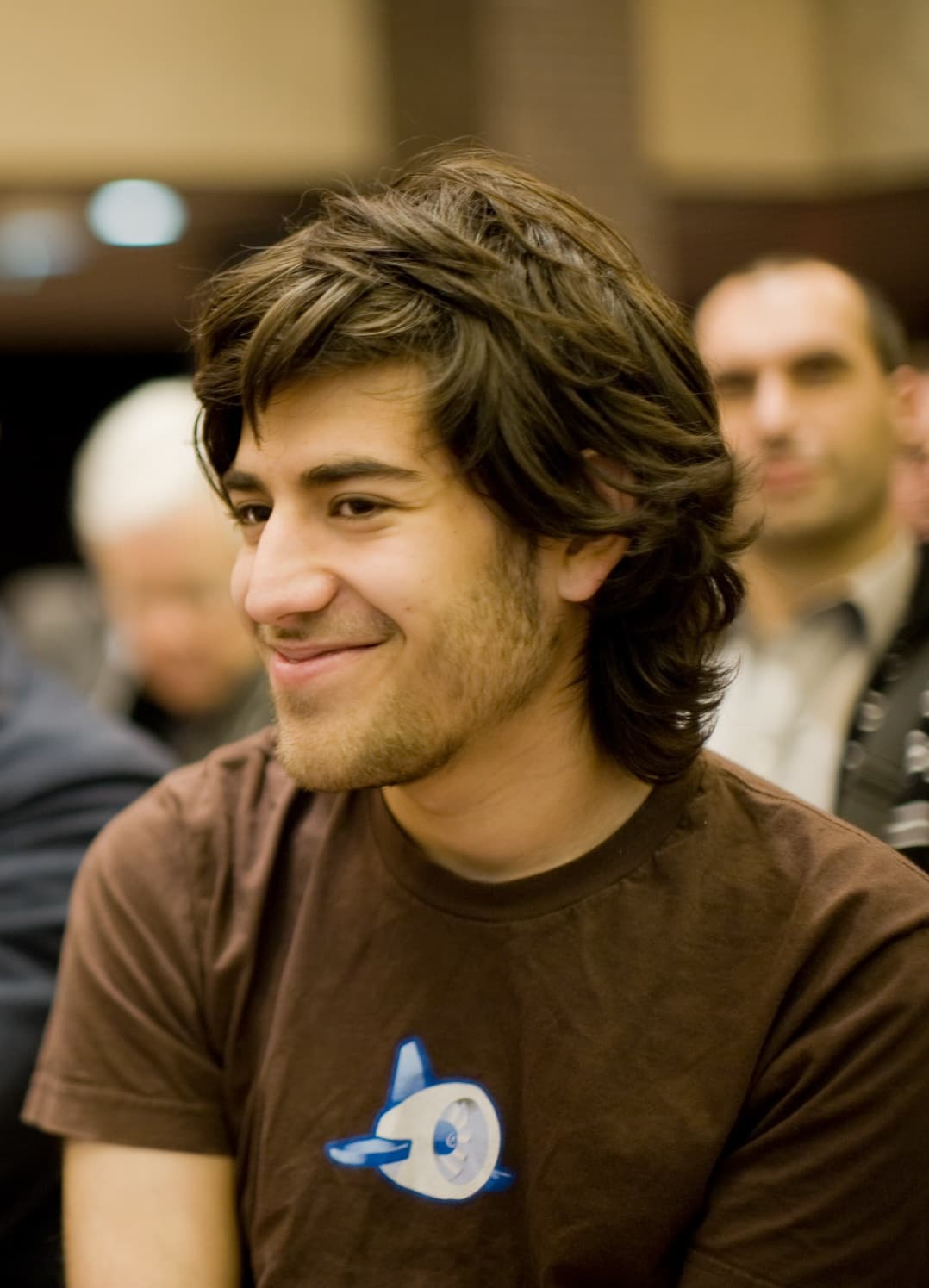
The object
The Guerilla Open Access Manifesto is a single page, written by Aaron Swartz in Eremo, Italy, in July 2008. Its argument is simple and unsparing: the scientific and cultural heritage of humanity, much of it produced with public money, has been enclosed behind the paywalls of a handful of publishers, and those with access to it have a moral duty to share it. "Information is power," it begins. "But like all power, there are those who want to keep it for themselves."
A duty, not a crime
The manifesto reframes copying as conscience. To download paywalled research and pass it on, Swartz wrote, is not piracy but a form of civil disobedience against an unjust enclosure. "We need to take information, wherever it is stored, make our copies and share them with the world." He lived the argument: a prolific builder of open tools, from RSS to the architecture of Creative Commons, who believed access to knowledge was a precondition of a free society.
Why it matters
In 2011 Swartz was arrested for downloading millions of academic articles from JSTOR through MIT's network. Facing federal charges that threatened decades in prison, he died by suicide in January 2013, at twenty-six. His death turned a quiet manifesto into a rallying cry and forced a public reckoning with how the law punishes the open exchange of knowledge, and with what the academic publishing system costs the people it locks out.
The lesson it set loose
The hacker ethic's oldest claim, that information wants to be free, collides hardest with the world when the information is humanity's own scholarship. Swartz drew the modern front line of that fight and paid the highest price on it. The open-access movement he helped galvanize is his memorial, and his manifesto remains its sharpest statement.
Further reading
Keep exploring
From the same era
From the same place
Next exhibit
The Raspberry Pi