Hackers: Heroes of the Computer Revolution
The book that gave a scattered subculture its name, its history, and a creed it could finally point to.
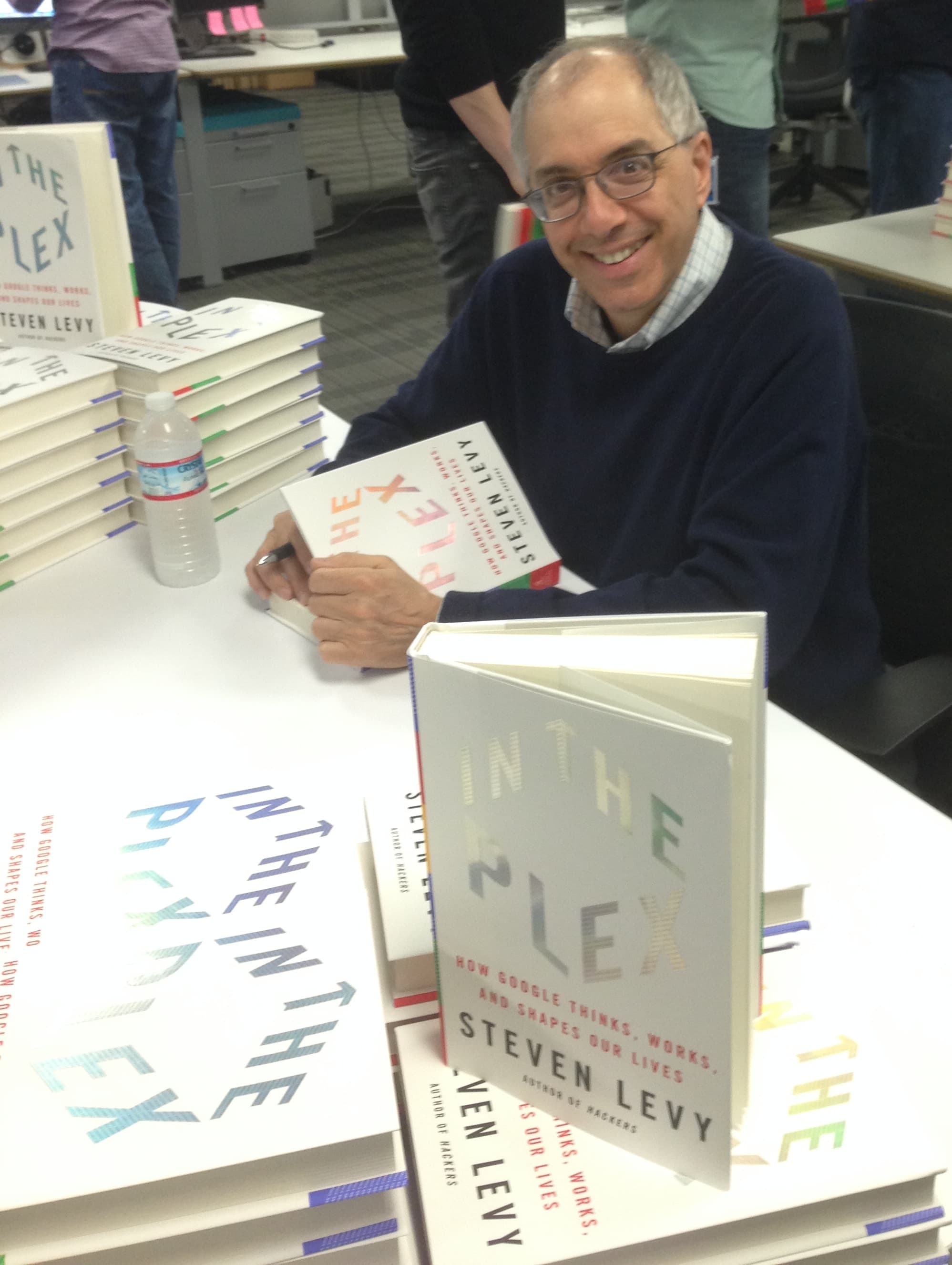
The object
Hackers: Heroes of the Computer Revolution, by the journalist Steven Levy, was published in 1984. It traces a single thread across three generations: the MIT Tech Model Railroad Club and AI Lab of the late 1950s and 1960s, the Homebrew hardware hackers of 1970s California, and the game programmers of the early 1980s. It is reportage, not manifesto, but it did something no manifesto had: it told these people they were part of one story.
Naming the ethic
Levy's lasting contribution was to distill, from how his subjects actually behaved, a set of shared principles he called the Hacker Ethic: that access to computers should be unlimited and total; that all information should be free; that you should mistrust authority and promote decentralization; that hackers should be judged by their hacking, not by credentials; and that you can create art and beauty on a computer. These were never voted on or written down by the hackers themselves. Levy simply noticed they were already living by them.
Why it matters
Before this book, "hacker" was an in-group term known to a few thousand people. After it, the word had a public meaning, a lineage, and a value system you could argue about. Nearly everything else in this museum, from the GNU Manifesto's insistence on freedom to the cypherpunks' suspicion of authority to the open-access movement's "information wants to be free," is in conversation with the ethic Levy named. He gave the culture a mirror.
The lesson it set loose
A subculture becomes a movement when someone writes down what it already believes. Levy did not invent the hacker ethic; he reported it, and in reporting it made it citable, teachable, and durable. The very fact that this museum can speak of a "hacker culture" at all owes a great deal to a reporter who took these people seriously enough to find the through-line.
Further reading
Keep exploring
Next exhibit
Phrack Magazine